
At glance:
-
Verified quality starts with a published Certificate of Analysis (COA) showing potency, pesticides, heavy metals, and microbial screening for each batch.
-
Federal hemp rules require THCA to be counted toward the 0.3% Delta-9 THC limit, and lab testing requirements are tightening heading into 2026.
-
Sourcing, trim quality, and storage conditions all affect how a product performs after it reaches a shopper’s door.
Shoppers can judge the quality and safety of hemp-derived THCA by checking three things before buying: a current, batch-specific Certificate of Analysis, verification that the product stays under the federal 0.3% Delta-9 THC threshold, and transparency about how and where the hemp was grown and tested. Recover Smarter with Luminate by prioritizing product transparency, verified lab results, and informed purchasing decisions when evaluating premium THCA products.
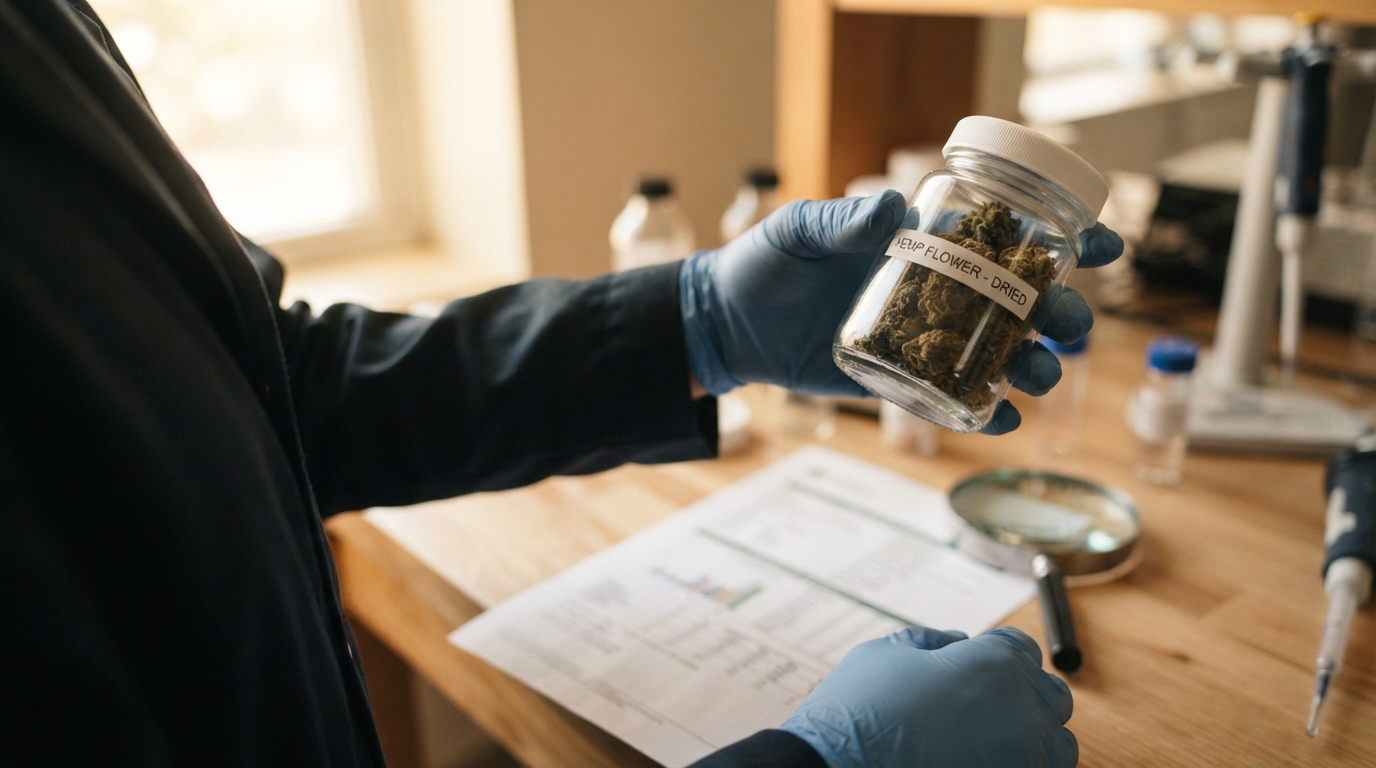
Shopping for Premium THCA Products means looking past marketing language and into the paperwork behind each jar or cartridge. A COA is the single most reliable signal of quality, since it documents exactly what independent testing found in that specific batch rather than a general claim about the product line. Without that document, there is no way to confirm potency, purity, or compliance before a purchase ships.
Why Lab Testing Is the Foundation of Safety
Every credible THCA product should carry third-party lab results covering more than just potency.
-
Cannabinoid potency: confirms THCA percentage and total Delta-9 THC level.
-
Pesticide and heavy metal screening: flags contamination from growing or processing.
-
Microbial testing: checks for mold, yeast, and bacteria that can form during curing or storage.
Federal rules require that testing account for the conversion of THCA into Delta-9 THC when heated, which is why total THC, not just raw THCA, determines whether a product qualifies as compliant hemp. According to the USDA’s laboratory testing guidelines, testing methodology must factor in the potential conversion of THCA into Delta-9 THC and report the combined total on a dry weight basis. That standard is also shifting: hemp testing labs must be registered with the DEA by the end of 2025, tightening who is legally allowed to issue a valid COA going forward.
What a Trustworthy COA Should Show
Not every certificate on a product page tells the full story. A COA worth trusting typically includes:
- A batch or lot number that matches the product in hand.
- A recent test date, since potency and contaminant risk can change over time.
- Results broken out by cannabinoid, not just a single “total THC” number.
- Pass or fail status for pesticides, heavy metals, and microbials, not just potency data.
Buyers who cannot find a batch-matched COA on a product page, or who are told results are “available on request,” should treat that as a red flag rather than a formality.
Sourcing, Handling, and State Compliance Matter Too
Lab results confirm what is in a product, but sourcing and handling affect consistency before testing ever happens.
|
Quality Factor |
What to Look For |
Why It Matters |
|---|---|---|
|
Hemp sourcing |
Grown on compliant, traceable farms |
Reduces contamination risk at the root |
|
Trim and handling |
Hand-trimmed flower, controlled processing |
Preserves potency and limits degradation |
|
Storage conditions |
Cool, dark, airtight packaging |
Protects shelf life and terpene content |
|
State compliance |
Confirmed legal to ship to buyer’s state |
Avoids seizure or non-compliant delivery |
State law adds another layer of complexity, since hemp-derived THCA that is federally compliant is not automatically legal everywhere. Some states allow general retail sales, others restrict THCA to licensed dispensaries or cap potency, and a few classify it as a controlled substance regardless of its Delta-9 percentage. Shoppers should confirm their state’s current stance before ordering, since enforcement and definitions have been changing rapidly through 2025 and into 2026.
Practical Red Flags Worth Avoiding
A few warning signs tend to separate reliable sellers from risky ones:
-
No COA, or a COA that cannot be matched to a specific batch.
-
Vague sourcing language with no mention of farm origin or testing lab.
-
Pricing far below market average with no explanation for the gap.
-
Packaging that omits cannabinoid percentages or compliance statements.
These issues do not always mean a product is unsafe, but they remove the ability to verify that it is.
Frequently Asked Questions
Does a high THCA percentage on the label guarantee potency after heating? Not exactly. Total THC after decarboxylation depends on both the THCA and Delta-9 THC content, so a product’s effective potency should be calculated from both figures rather than the THCA number alone.
How often should a COA be updated? Reliable sellers publish a new COA for every batch rather than reusing one test across multiple production runs, since cannabinoid and contaminant levels can vary batch to batch.
Is hemp-derived THCA legal everywhere in the US? No. Legality depends on state law, and rules range from unrestricted retail sales to dispensary-only access to outright bans, so checking local regulations before ordering is essential.
What should ship with a THCA order to confirm compliance? A compliant order should include documentation confirming the product tests under 0.3% Delta-9 THC along with a matching Certificate of Analysis for that specific batch.
Evaluating THCA quality comes down to verifiable documentation rather than marketing claims. Buyers who check batch-specific lab results, confirm state-level legality, and look for transparent sourcing practices are far better positioned to avoid inconsistent or non-compliant products. Luminate publishes a Certificate of Analysis for every batch it sells, reflecting the kind of documentation shoppers should expect from any hemp-derived THCA seller.