
Snapshot:
-
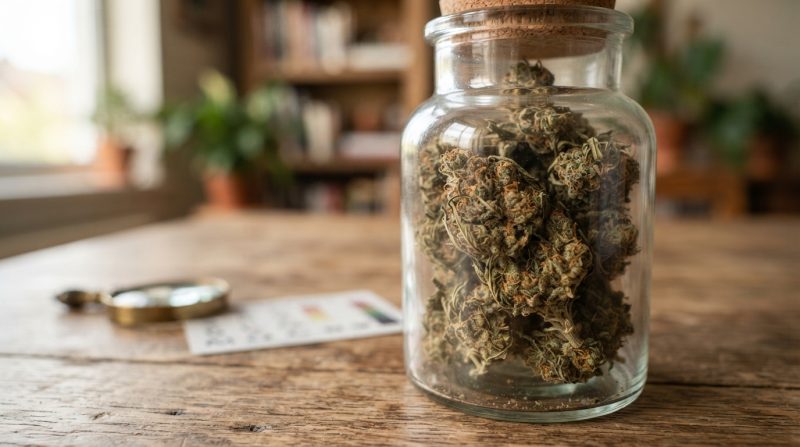
THCA flower is raw hemp flower naturally high in tetrahydrocannabinolic acid (THCA), a compound that converts to THC when heated.
-
Federal law currently defines hemp by delta-9 THC content, though a 2025 law will shift the standard to total THC, including THCA, by December 11, 2026.
-
Lab testing and dry-weight THC percentage are the two details that determine whether a given batch of THCA flower is compliant.
THCA flower is raw hemp flower that carries high concentrations of tetrahydrocannabinolic acid rather than active THC, and it only becomes intoxicating once heat is applied through smoking or vaporizing. The compound sits naturally in the plant’s trichomes and does not produce the same effects as THC until decarboxylation occurs.
A practical guide to THCA buds by Costa Brand breaks down how this cannabinoid forms, why it differs from standard THC products, and what buyers across the USA should check before purchasing. THCA synthase, an enzyme in the cannabis plant, converts CBGA into THCA as the plant matures, and that conversion is the mechanism behind the broader hemp-derived flower market.
How THCA Differs From Standard THC
THCA and THC are chemically related but behave differently in the body until heat is introduced.
-
THCA is non-intoxicating in its raw form and will not produce a high if the flower is eaten unheated.
-
Smoking or vaporizing triggers decarboxylation, converting THCA into active delta-9 THC.
-
THCA naturally degrades into THC over time even without heat, particularly when flower is stored somewhere warm or exposed to light for extended periods.
-
Freshly cured flower generally holds a higher THCA percentage than the same batch several months later.
This distinction matters because it is the basis for how hemp-derived THCA flower has been able to ship and sell nationally while higher-THC cannabis remains restricted under most state programs.
The Legal Framework Behind THCA Flower
THCA flower has occupied a distinct position under federal hemp law because the 2018 Farm Bill defined hemp using a delta-9 THC-only threshold. Under that standard, flower containing no more than 0.3 percent delta-9 THC by dry weight qualifies as legal hemp, even when its THCA content is substantial. The USDA Hemp Production Program outlines how hemp is tested and regulated at the federal level, including the dry-weight THC calculation that has underpinned the THCA flower category.
That framework is changing. A federal law signed in November 2025 redefines hemp using a total-THC standard that explicitly counts THCA, with an effective date of December 11, 2026, according to a tracker maintained by the 2026 Hemp Ban Tracker. Once that provision takes effect, flower that previously passed the delta-9-only test by carrying high THCA levels will generally no longer qualify as compliant hemp, since total THC is usually calculated as delta-9 THC plus THCA multiplied by 0.877.
What to Check Before Buying THCA Flower
Because THCA flower sits inside a legal framework that is actively shifting, a few verification steps are worth doing before any purchase.
|
What to Verify |
Why It Matters |
|---|---|
|
Third-party lab test (COA) |
Confirms actual THCA and delta-9 THC percentages |
|
Dry-weight delta-9 THC level |
Determines current federal hemp compliance |
|
State-level rules |
Some states already count THCA toward THC limits |
|
Storage and freshness date |
THCA degrades into THC over time, changing potency |
Reviewing a current certificate of analysis is the most direct way to confirm that a specific batch meets the applicable delta-9 threshold at the time of sale, since potency can shift between harvest and purchase.
Frequently Asked Questions
Is THCA flower the same as regular marijuana flower? Chemically, the plant material can be very similar. The distinction is legal rather than botanical, resting on whether the dry-weight delta-9 THC content falls at or below the federal hemp threshold.
Does THCA get a person high without heating it? No. THCA is non-intoxicating in its raw acid form and requires heat, such as smoking or vaporizing, to convert into active THC through decarboxylation.
Will THCA flower remain legal after 2026? Under the law signed in November 2025, the federal hemp definition shifts to a total-THC standard that includes THCA, with an effective date of December 11, 2026, which is expected to remove most high-THCA flower from hemp-compliant status.
How can someone confirm a THCA product is lab tested? A legitimate THCA flower listing should include a current third-party certificate of analysis showing both THCA and delta-9 THC percentages for that specific batch.
Final Note on Staying Informed
THCA flower sits at the intersection of plant chemistry and a federal legal definition that is scheduled to change by the end of 2026, making current lab data and dry-weight calculations the most reliable reference points for anyone evaluating a purchase. Published product and compliance details for Costa Brand are available for reference alongside current hemp regulations.